Diden Home

Category

Culture

19 articles

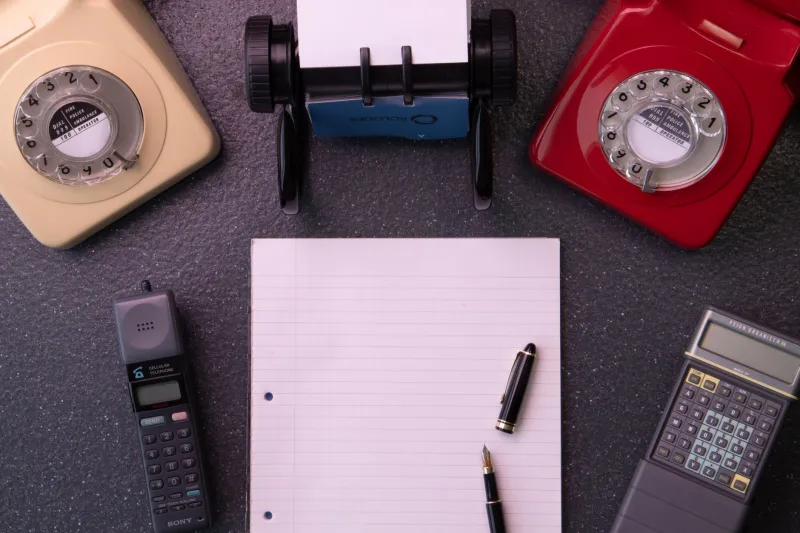
Ten Digits You Actually Owned: On the Dying Art of Knowing Your Own Number

Ten Digits You Actually Owned: On the Dying Art of Knowing Your Own Number

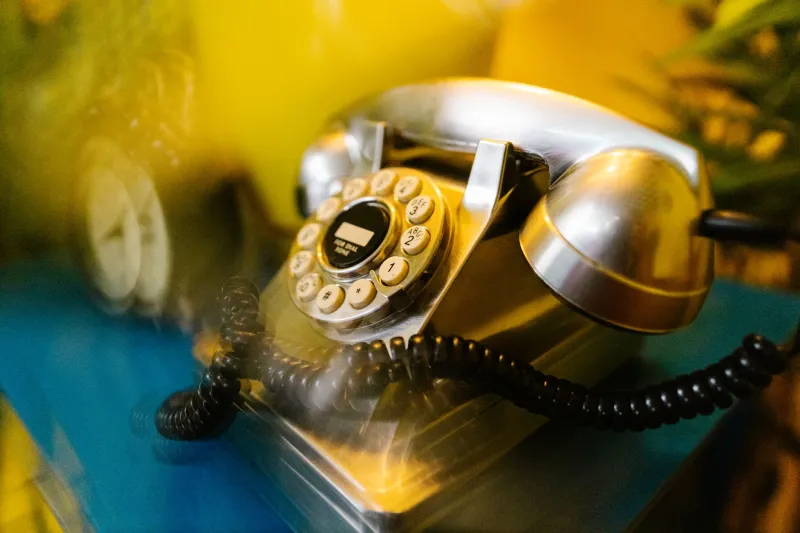
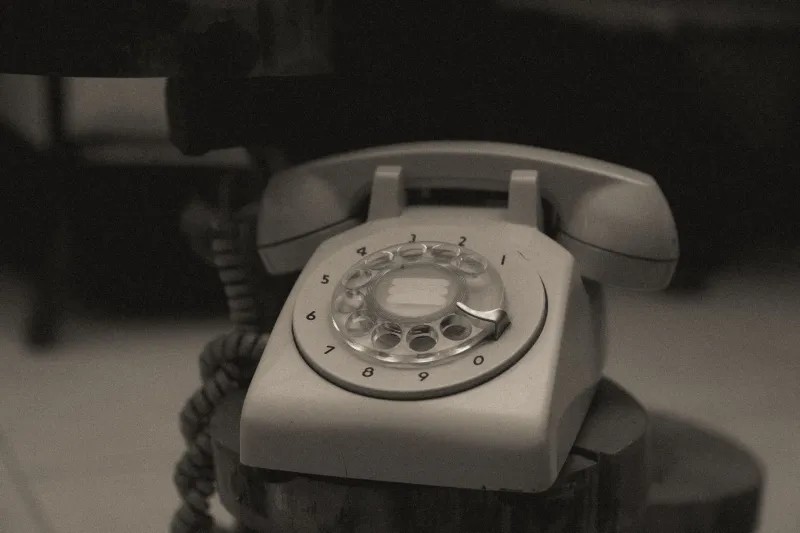
Most Americans couldn't recite their own cell number if you put a gun to their head — and that's genuinely new. There was a time when your phone number felt like a signature, something you carried in your chest. We talked to the people who still do, and what they told us was kind of beautiful.

The Password on a Post-It Note: When Sharing Wi-Fi Was How You Met Your Neighbors

The Password on a Post-It Note: When Sharing Wi-Fi Was How You Met Your Neighbors

There was a brief, weird window in American life when borrowing your neighbor's Wi-Fi meant actually talking to them. A knock on the door, an awkward introduction, a slip of paper with a string of characters you'd memorize by Wednesday. Then personal hotspots arrived and quietly killed one of the last accidental reasons we had to know each other's names.

Hard Drive Faithful: The Collectors Who Still Own Every Song They've Ever Loved

Hard Drive Faithful: The Collectors Who Still Own Every Song They've Ever Loved

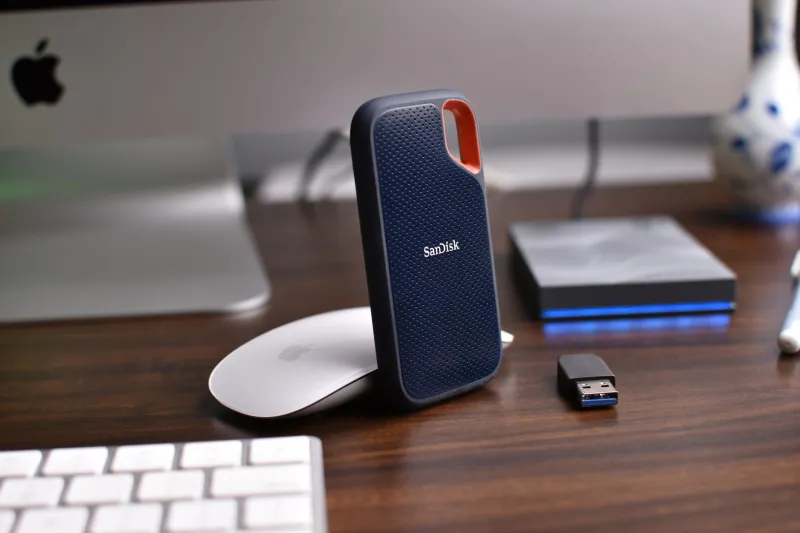
While the rest of us rent our listening lives from streaming giants, a stubborn community of music collectors still maintains vast local libraries — organized, tagged, and entirely their own. For them, owning a song isn't nostalgia. It's a philosophical stance. We went inside their folder structures to find out why.

Held in Your Hands: The Die-Hards Who Still Show Up for Release Day

Held in Your Hands: The Die-Hards Who Still Show Up for Release Day

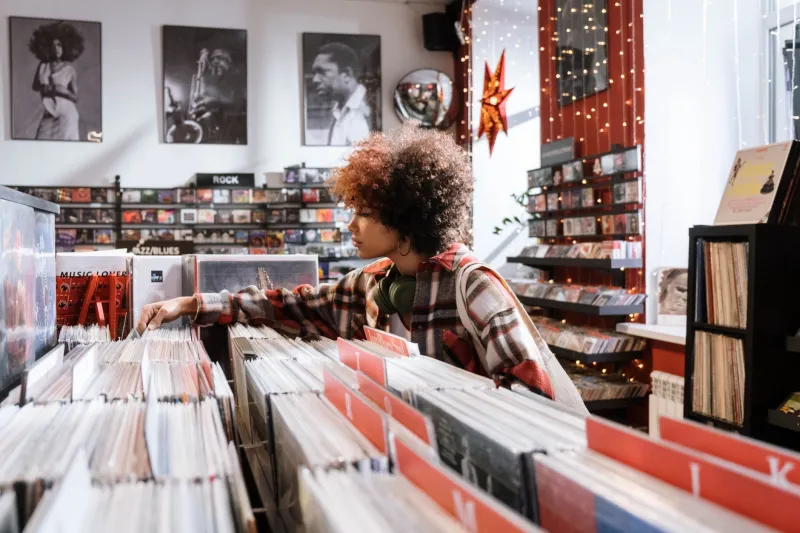
While the rest of us hit play before we're even out of bed, a stubborn and devoted subculture still treats album release day like a minor holiday — one that requires a trip, a ritual, and sometimes a line around the block. They're not buying a file. They're buying a thing. And that difference, it turns out, means everything.

No Signal, No Problem: The Quiet Rebels Who Still Navigate by Feel

No Signal, No Problem: The Quiet Rebels Who Still Navigate by Feel

There's a shrinking group of people out there who will pull a paper map out of a glove compartment and mean it. Not as a bit. Not for the aesthetic. They're doing it because they believe something important lives in the act of figuring out where you are — and they might be right.

Everything You Used to Know by Heart: Mourning the Death of Memorized Things

Everything You Used to Know by Heart: Mourning the Death of Memorized Things

Passkeys and biometrics are finishing what autocomplete started — quietly relieving us of the last things we were still required to hold in our heads. This is an elegy for the strange intimacy of memorized things, and what we're really losing when a machine takes over the job of knowing.

Circling Thursday Night: What We Lost When TV Stopped Making Us Wait

Circling Thursday Night: What We Lost When TV Stopped Making Us Wait

There was a whole ritual around finding out what was on TV this week — flipping through a magazine, grabbing a highlighter, planning your Thursday like it actually mattered. Streaming killed the schedule, but it also killed something quieter and harder to name: the specific pleasure of having something to look forward to.

Seven Digits You Used to Own: What Happened When We Handed Our Memory to a Machine

Seven Digits You Used to Own: What Happened When We Handed Our Memory to a Machine

There was a time when knowing someone meant knowing their number — not their handle, not their profile, their actual digits. We traded that away for convenience, and cognitive scientists think it cost us more than we realized. This is the story of what we outsourced, and why a small group of people are quietly refusing to let go.

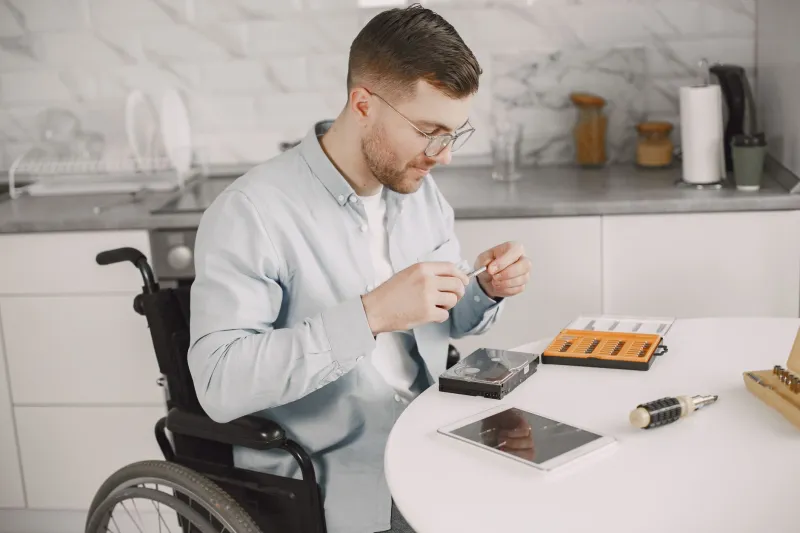
RTFM: The People Who Actually Did, and What They Got Out of It

RTFM: The People Who Actually Did, and What They Got Out of It

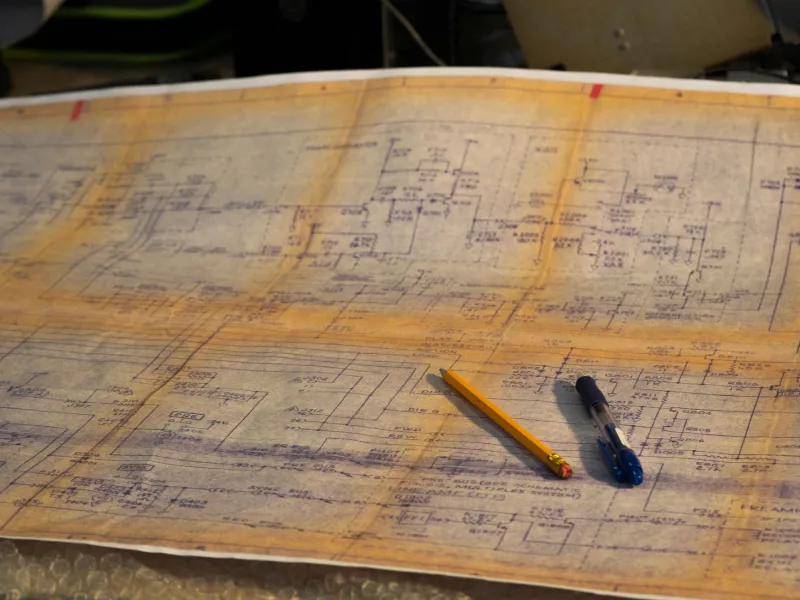
Reading the manual became a punchline somewhere along the way — a sign that you weren't intuitive enough to just figure it out. But a quiet subculture of tinkerers, craftspeople, and engineers never stopped, and what they know because of it might be more valuable than any shortcut.

Before the Read Receipt: How a Blinking Cursor Taught a Generation to Feel

Before the Read Receipt: How a Blinking Cursor Taught a Generation to Feel

AIM was janky, slow, and ran on dial-up connections that screamed like a dying fax machine. But for a generation of kids navigating adolescence in the late 90s and early 2000s, that blinking cursor was basically their first therapist. We're only now starting to figure out what that actually did to us.

Digital Homesteaders: The People Still Tending Their Own Corners of the Internet

Digital Homesteaders: The People Still Tending Their Own Corners of the Internet

Somewhere between the algorithm-flattened feeds and the cookie-cutter portfolio templates, a stubborn handful of people are still maintaining personal websites that look and feel exactly like them — weird fonts, broken image links, and all. These digital homesteads are jarring in the best possible way, and visiting one feels like stumbling onto a porch where someone actually sits.

Stuck at 16: The Songs You Couldn't Skip Are Still Making Decisions for You

Stuck at 16: The Songs You Couldn't Skip Are Still Making Decisions for You

The music you obsessed over as a teenager didn't just soundtrack your awkward years — it quietly installed itself as your emotional default settings. Neuroscience has a name for it, and the implications are weirder than you'd expect. This isn't a nostalgia piece. It's closer to a diagnosis.

Gone Without a Goodbye: The Digital Places We Built and Then Lost Forever

Gone Without a Goodbye: The Digital Places We Built and Then Lost Forever

Before the internet was platforms, it was places — forums, personal homepages, niche communities that hummed with real human weirdness. Most of them are gone now, and almost nobody held a funeral. This is about what those spaces meant, who built them, and what it says about us that we keep forgetting they existed.