Dispatches from the Fringe: Inside the Tiny Online Worlds That Are Writing Culture's First Draft
Dispatches from the Fringe: Inside the Tiny Online Worlds That Are Writing Culture's First Draft
There's this feeling you get when you stumble onto a corner of the internet that feels like it was never meant for you. The inside jokes land a little sideways. The references are dense. Everyone seems to already know each other, and they're all extremely, almost uncomfortably passionate about something you barely knew existed. That feeling? That's the smell of culture being made.
Mainstream internet has gotten... loud. Algorithmic feeds flatten everything into content, and trends now arrive pre-packaged, pre-explained, pre-memed. But underneath all that noise, there are still pockets — Discord servers with 400 members, subreddits with zero crossposting, forums that look like they were designed in 2009 — where the genuinely new stuff is actually happening. We went looking for them.
1. The Hyperpop Discord Ecosystem
Before hyperpop had a Wikipedia page, it had a loose constellation of Discord servers. Communities like 100 Gecs fan spaces and the now-legendary PC Music adjacent groups were trading unreleased tracks, fan edits, and production tutorials years before Spotify built a playlist around the genre. The sonic vocabulary of hyperpop — blown-out 808s, pitch-shifted vocals, maximalist chaos — was being codified in real time by teenagers in voice channels. If you were there, you heard it first.
2. r/VisibleMending
This subreddit — dedicated to the Japanese art of kintsugi-adjacent visible fabric repair — sounds niche to the point of absurdity. But follow the thread (pun intended) and you'll find it sitting at the intersection of anti-fast-fashion politics, cottagecore aesthetics, and DIY craftsmanship that has quietly influenced everything from high-end runway presentations to how Gen Z talks about sustainability. The patches you're seeing on denim jackets at your local vintage shop? Partially a r/VisibleMending pipeline.
3. The Letterboxd Power Users
Letterboxd was always a film logging app, but its most engaged users turned it into something stranger and more interesting: a micro-criticism culture with its own vocabulary, running jokes, and aesthetic sensibility. The platform's community essentially invented a new mode of short-form film writing — part sincere analysis, part absurdist comedy — that has since influenced how film criticism reads across TikTok, YouTube essays, and even some professional outlets. "It's giving Letterboxd" is a sentence people say now.
4. r/Slatestarcodex and the Rationalist Adjacent Web
Okay, this one's a little thornier. The rationalist and effective altruism communities that gathered around blogs like Slate Star Codex and Less Wrong have had an outsized — and genuinely contested — influence on how a certain stripe of Silicon Valley thinks about AI, risk, and ethics. Love it or hate it, the terminology that emerged from these forums ("galaxy-brained," "Goodhart's Law" as casual shorthand, entire frameworks for thinking about existential risk) has seeped into mainstream tech discourse in ways that are still unfolding.
5. Sewing TikTok's Discord Underground
The #SewTok community has a visible surface layer on TikTok, but the real texture lives in the Discord servers where people share patterns, troubleshoot fitting issues, and — crucially — develop a shared aesthetic. The "make your own clothes" movement that started here is now influencing fast fashion's marketing language, independent designer aesthetics, and how younger consumers relate to clothing as objects rather than disposables.
6. The Vocaloid Fandom's Production School
Long before AI music became a mainstream anxiety, the Vocaloid community — centered around software like Hatsune Miku — was developing sophisticated approaches to synthetic vocal production. Forums and NicoNicoDouga comment sections were the training ground for producers who later shaped J-pop, hyperpop, and experimental electronic music. The fandom didn't just consume; it taught itself to build.
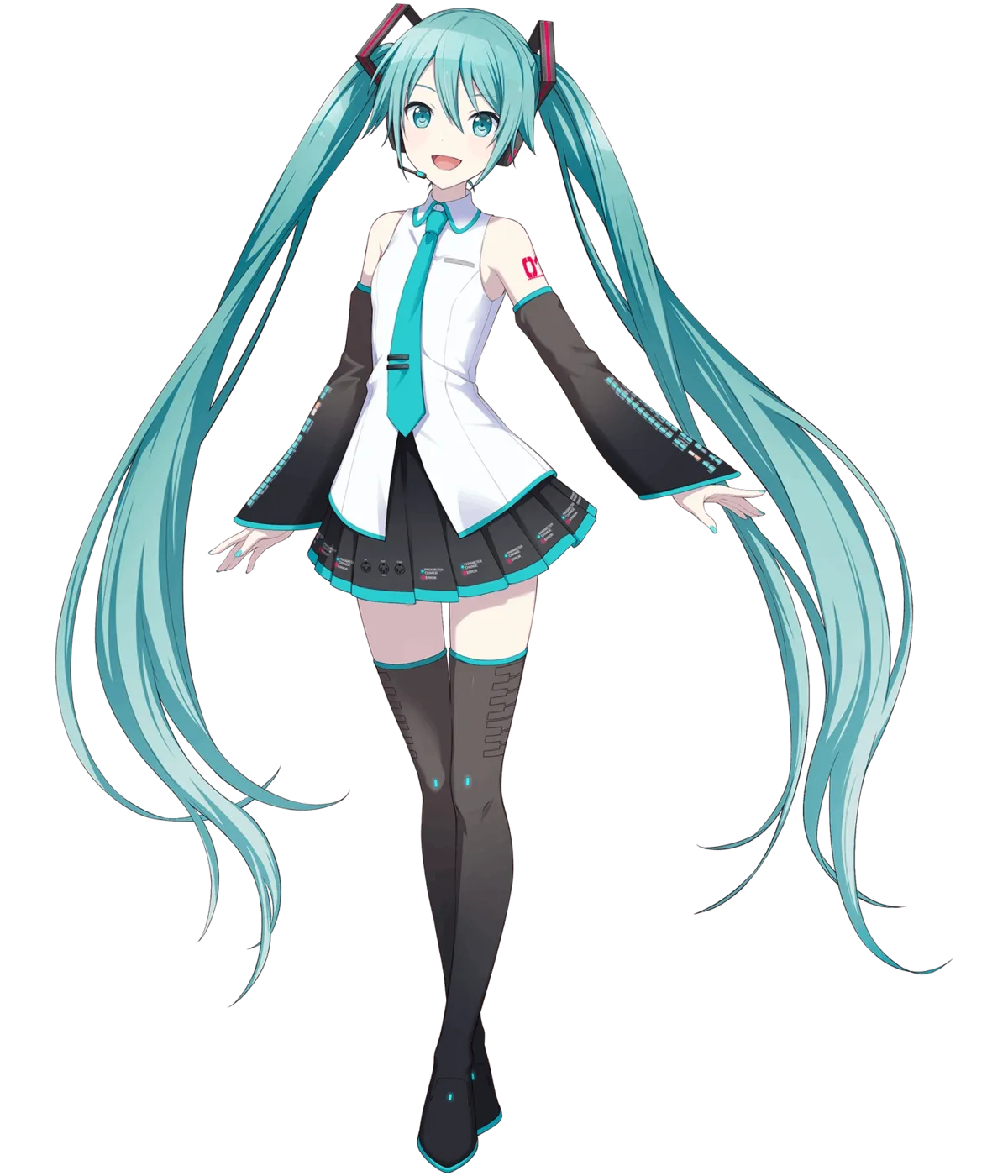 Photo: Hatsune Miku, via static.wikitide.net
7. r/Malefashionadvice (and Its Splinter Communities)
The original r/MFA subreddit basically introduced a generation of American men to the concept of "fit" as a holistic idea rather than just buying clothes in the right size. But the more interesting stuff happened in the splinter communities — r/StreetWear, r/techwear, r/rawdenim — where micro-aesthetics were debated with an intensity usually reserved for political philosophy. The "gorpcore" trend that eventually landed in GQ had been gestating in outdoor-gear-obsessed subreddits for years.
8. The Fantano Sphere and Its Discontents
Anthony Fantano's YouTube channel is mainstream enough now, but the ecosystem around it — the comment sections, the Reddit threads, the Discord servers dedicated to arguing about his reviews — developed a specific critical vocabulary around music that has influenced how a whole generation talks about albums. Terms and frameworks that originated in those arguments now show up in Pitchfork comment sections and college newspaper reviews.
 Photo: Anthony Fantano, via www.planetsport.com
9. Tumblr's Persistent Underbelly
Everyone declared Tumblr dead after the 2018 content purge, but the platform has quietly persisted as an incubator for internet language, fanfiction culture, and a specific flavor of leftist politics that keeps bleeding into mainstream discourse. The writing style that dominates certain corners of Twitter/X — the long, breathless, slightly unhinged analytical post — is a direct Tumblr export. The site is a zombie that keeps donating organs.
10. The Speedrunning Community
Speedrunning — completing video games as fast as possible, often by exploiting glitches — has its own forums, Discord servers, and dedicated platforms like speedrun.com. But beyond the hobby itself, the community has developed a rigorous approach to documentation, collaborative knowledge-building, and live performance that has influenced how people think about games as systems. The vocabulary of "any%," "glitchless," and "world record" has crossed into mainstream gaming culture, and the aesthetic of the GDQ charity marathons has influenced how live events get streamed.
Why Any of This Matters
Here's the thing about watching culture get made in real time: it changes how you consume it afterward. When you know that a trend started in a 400-person Discord server, it stops feeling like a monolith and starts feeling like what it actually is — a bunch of people who cared really hard about something, and convinced other people to care too.
The internet's algorithmic surface layer wants you to believe that culture arrives fully formed, optimized for engagement. These communities are proof that it doesn't. It arrives weird, specific, and slightly illegible — and then, gradually, it doesn't.
The best part about knowing where to look? You get to be there before the explainer articles show up. Consider this your map.