Gone for the Season: What Happens When You Treat Social Media Like a Weather Pattern

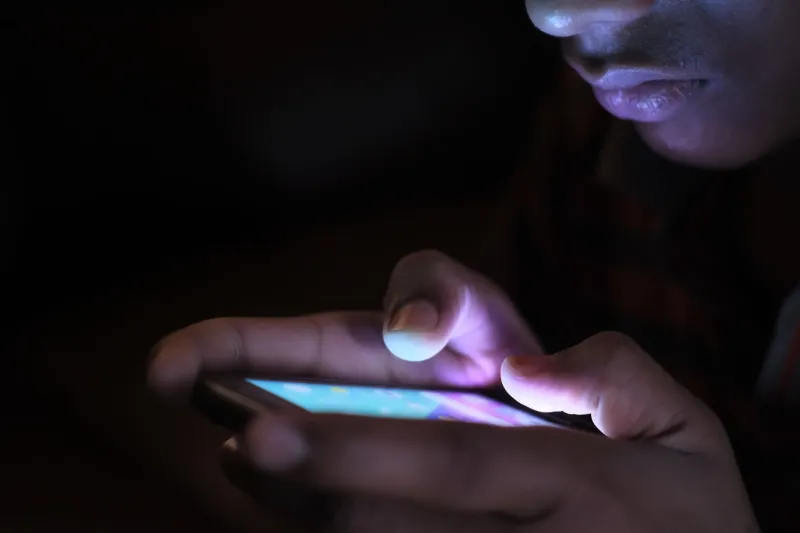
Photo: Erilgaz, CC0, via Wikimedia Commons
Every October, Deja deletes Instagram off her phone. Not her account — just the app. She does it on the first of the month, usually after her morning coffee, with the same casual energy most people use to take out the recycling. By the time the holidays arrive, she's been off it for two months. She comes back in January, sometimes February if she's feeling good about things.
She's been doing this for four years.
"I don't even think about it anymore," she says. "It's just what I do in fall. Like putting away summer clothes."
Deja is part of a loosely defined but genuinely growing movement — people who have stopped treating social media as something they either use or quit, and started treating it like something that has seasons. They don't rage-delete everything in a dramatic fit of frustration. They don't write farewell posts. They just... go. And then they come back. And then they go again.
It's a migratory approach to digital life, and it's weirder and more interesting than it first sounds.
Why "Forever" Never Works
The traditional digital detox has a pretty consistent track record: someone gets fed up, announces they're leaving a platform, lasts anywhere from two weeks to three months, and quietly reappears. The cycle is so predictable it's become a meme. The platforms know it too — they're designed specifically to make permanent departure feel impossible.
What the seasonal approach does differently is remove the permanence pressure entirely. You're not quitting. You're not making a statement. You're just not here right now. That psychological distinction turns out to matter a lot.
Therapists and behavioral researchers who study tech habits have noted that the all-or-nothing framing of most detoxes is part of what makes them fail. When "success" means never going back, every return feels like a relapse. But if the plan always included coming back, then coming back is just... the plan.
Jordan, a UX designer in Austin who takes a three-month break from Twitter every summer, describes it this way: "I stopped calling it quitting. I call it hibernating. The bear doesn't fail at winter just because spring exists."
What Actually Changes (And What Doesn't)
Here's where it gets complicated, though. Because the seasonal model genuinely does seem to work — for certain things, in certain ways — but it doesn't fix everything people think it's going to fix.
What it seems to genuinely reset: the compulsive checking behavior. The people who've been doing this for multiple years consistently report that when they come back to a platform after a seasonal absence, they use it differently. Less reflexively. More intentionally, at least for a while. The habitual reach-for-the-phone-open-the-app loop gets disrupted in a way that a two-week vacation never quite manages.
What it doesn't fix: the underlying design of the platforms themselves. Those haven't changed. The infinite scroll is still infinite. The notification system is still engineered to create anxiety. The algorithmic feed is still optimized for engagement over wellbeing. Returning users often find that within four to six weeks of coming back, they're right back in the same patterns — just slightly more aware of them.
That awareness is something, though. It's not nothing.
"I know what I'm walking back into," says Carmen, who alternates between being on and off TikTok on a rough six-months-on, three-months-off schedule. "It's like I can see the mechanism now. I'm still in it, but I can see it."
The Social Cost Nobody Talks About
There's a friction to seasonal absence that the people doing it don't always advertise: you miss things, and people notice you're gone.
In 2024, social media presence is still deeply woven into how communities — especially younger ones — organize, communicate, and maintain connection. Going dark on Instagram for three months means missing event invites, inside jokes, the ambient awareness of what people in your life are up to. It means fielding texts from friends asking if you're okay. It means occasionally feeling like you re-entered a conversation that moved without you.
For some people, that's a feature. The FOMO detox is part of the point. If you can sit with the discomfort of not knowing what's happening on the internet for a season, you recalibrate what actually matters.
For others, it's a real cost that limits how long they can sustain the practice. Particularly for people whose professional lives or creative work are tied to platform presence — musicians, small business owners, freelancers — seasonal disappearance has consequences that aren't just personal.
The Question of Whether It's Enough
Skeptics of the seasonal model will point out, not unfairly, that it's a workaround rather than a solution. The platforms are still there. The business model that makes them toxic is still intact. Taking three months off Instagram doesn't change Instagram.
That's true. But it might not be the point.
The people doing this aren't usually claiming to be fixing anything systemic. They're not activists. They're just trying to have a livable relationship with tools that weren't designed with their wellbeing in mind. Seasonal absence is a personal harm reduction strategy, not a political stance.
And for some of them, it's working. Not perfectly. Not permanently. But genuinely.
Deja says she's a calmer person in October than she used to be. She reads more. She texts people directly instead of watching their stories. She cooks things she doesn't photograph.
In January, she'll download the app again. She'll scroll for twenty minutes and feel the familiar pull of it. She'll post something eventually.
And next October, she'll delete it again.
She's already got it on her calendar.